Knowledge workers are the backbone of today's economy, and understanding how they spend their time is crucial for optimizing productivity and work-life balance. In this comprehensive guide, we'll explore the daily habits and time allocation patterns of today's most productive professionals.
Who Are Knowledge Workers?
Knowledge workers are professionals who primarily work with information, ideas, and knowledge rather than physical products. This includes consultants, analysts, engineers, researchers, writers, designers, and many other professionals who rely on their expertise and intellectual capabilities to create value.
Typical Time Allocation Patterns
Research shows that knowledge workers typically spend their time in the following ways:
- Deep Work (25-30%): Focused, uninterrupted time spent on complex tasks that require concentration and creativity
- Meetings and Collaboration (20-25%): Team meetings, client calls, and collaborative work sessions
- Administrative Tasks (15-20%): Email management, documentation, and routine administrative work
- Learning and Development (10-15%): Research, skill development, and staying updated with industry trends
- Planning and Strategy (10-15%): Goal setting, project planning, and strategic thinking
- Breaks and Recovery (10-15%): Rest periods, exercise, and activities that promote mental well-being
Key Productivity Habits
High-performing knowledge workers share several common habits:
1. Prioritize Deep Work
They schedule their most important and complex tasks during their peak energy hours, typically in the morning when cognitive function is at its highest.
2. Batch Similar Tasks
They group similar activities together to minimize context switching and maintain focus on specific types of work.
3. Regular Breaks
They take regular breaks to maintain mental clarity and prevent burnout, following techniques like the Pomodoro method.
4. Continuous Learning
They dedicate time each day or week to learning new skills and staying updated with industry developments.
5. Strategic Planning
They regularly review and adjust their goals, priorities, and time allocation to ensure alignment with their objectives.
Common Time Management Challenges
Knowledge workers often face several challenges in managing their time effectively:
- Context Switching: Frequent interruptions and task switching can reduce productivity by up to 40%
- Meeting Overload: Too many meetings can leave little time for actual work
- Email Overwhelm: Constant email checking can fragment attention and reduce focus
- Unclear Priorities: Without clear priorities, time can be wasted on low-value activities
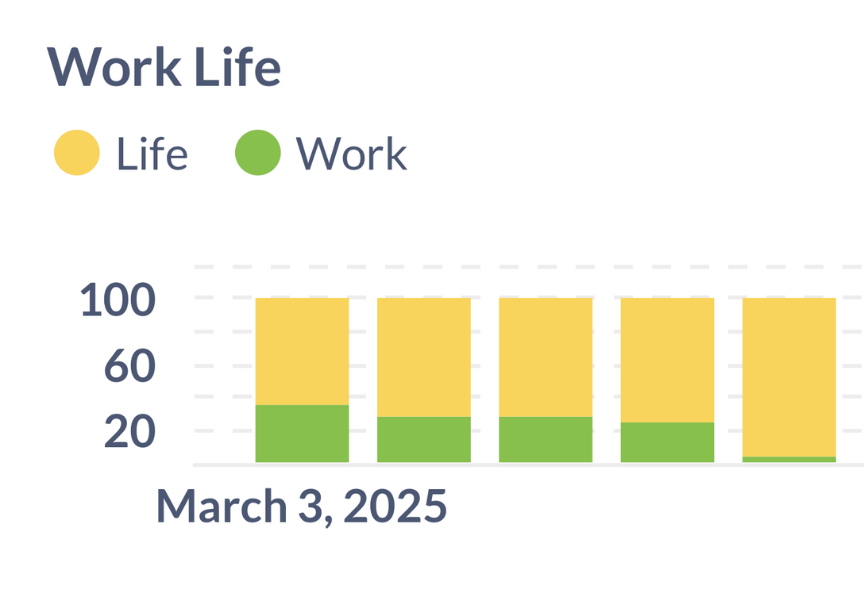
- Work-Life Balance: Blurred boundaries between work and personal time
Optimizing Your Time as a Knowledge Worker
To optimize your time allocation and productivity:
- Track Your Time: Use time tracking tools to understand how you're actually spending your time
- Set Clear Priorities: Identify your most important tasks and allocate time accordingly
- Create Boundaries: Set clear boundaries around your work hours and availability
- Optimize Your Environment: Create a workspace that supports focus and productivity
- Leverage Technology: Use tools and automation to streamline routine tasks
- Regular Review: Periodically review and adjust your time allocation based on results
The Future of Knowledge Work
As technology continues to evolve, knowledge workers will need to adapt their time management strategies. Automation will handle more routine tasks, allowing professionals to focus on higher-value activities that require creativity, critical thinking, and human insight.
Understanding how knowledge workers spend their time is the first step toward optimizing productivity and achieving better work-life balance. By implementing the strategies and habits discussed in this article, you can take control of your time and maximize your effectiveness as a knowledge worker.